Sachin Lama
Founder & Lead Expedition Leader
NIM Advanced Mountaineering (Grade A) · Wilderness First Responder · guiding since 2013
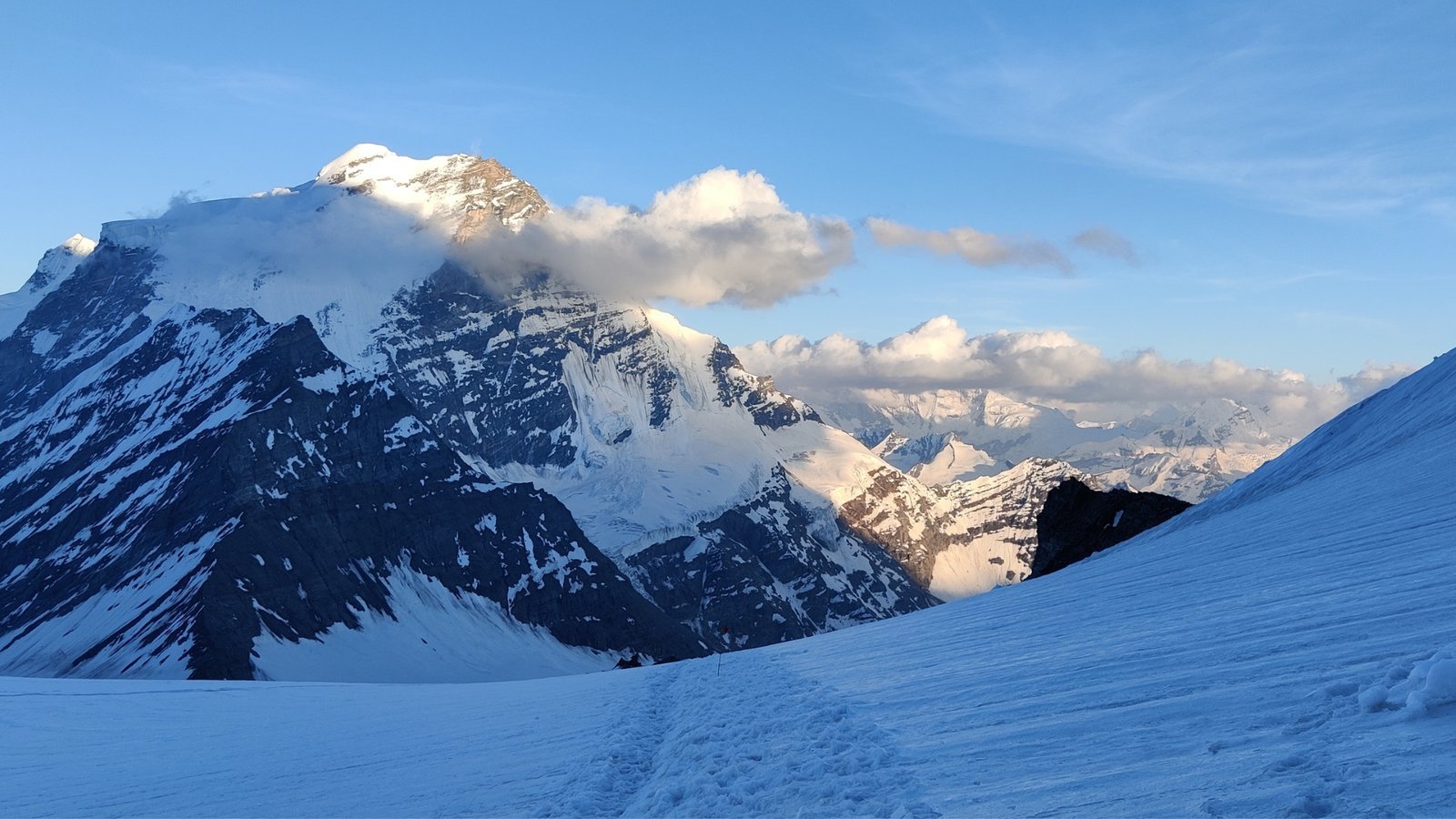
Mount Kun expedition cost, itinerary and booking
If you’re ready to move from basic climbing into the realm of true high-altitude mountaineering, Mt. Kun offers an ideal entry point into this thrilling world.
IS THIS TRIP RIGHT FOR YOU?
Seasoned mountaineers comfortable with fixed ropes, steep ice and high-altitude expedition routines.
THE ROUTE
The Mt. Kun Peak is a 23-day 7,000 m mountaineering expedition in Ladakh that reaches 7,077 m. Kailasa grades it Difficult. The best time to go is July to September. The published price with Kailasa Treks is ₹ 2,09,999 + 5% GST.
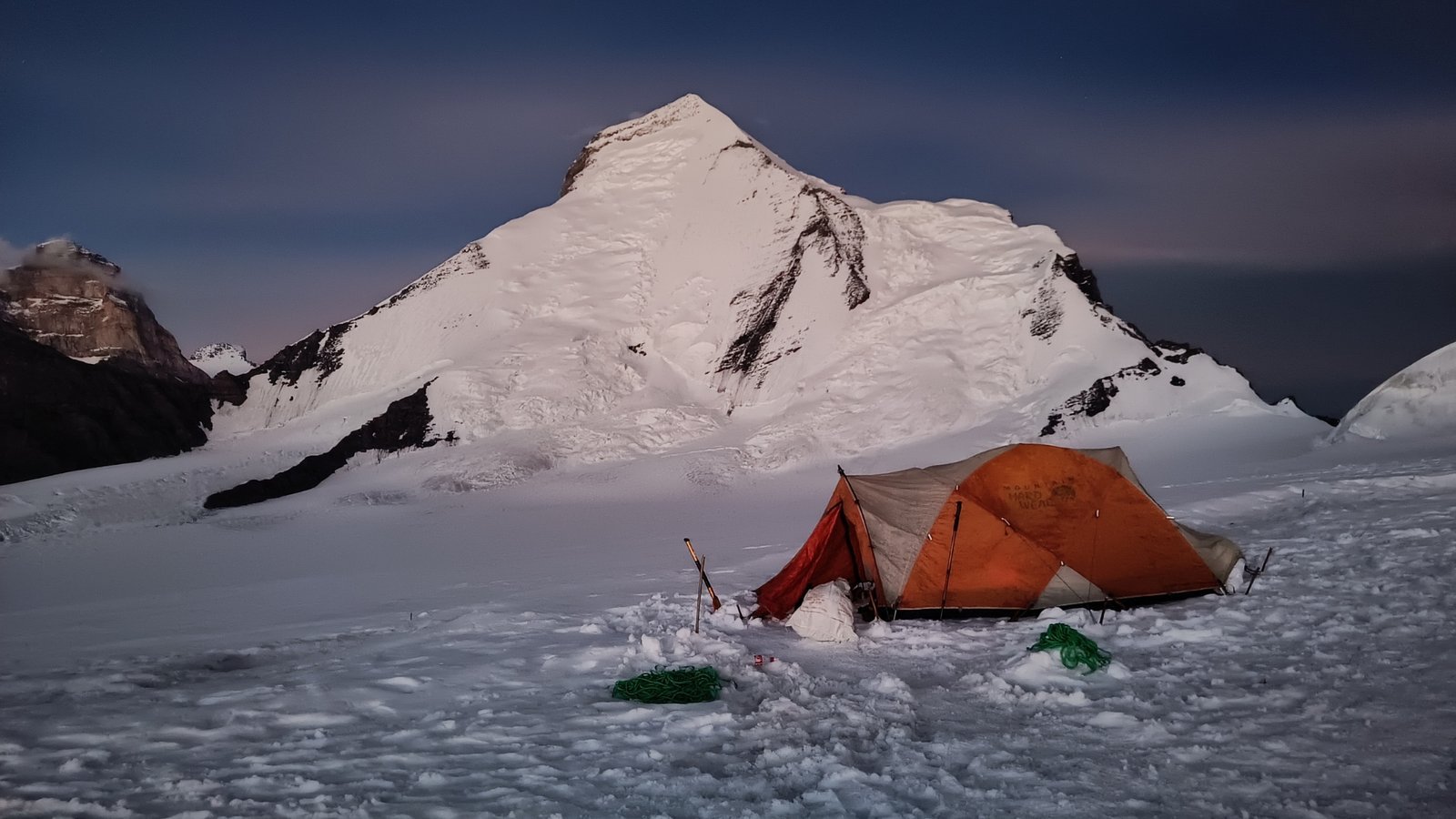
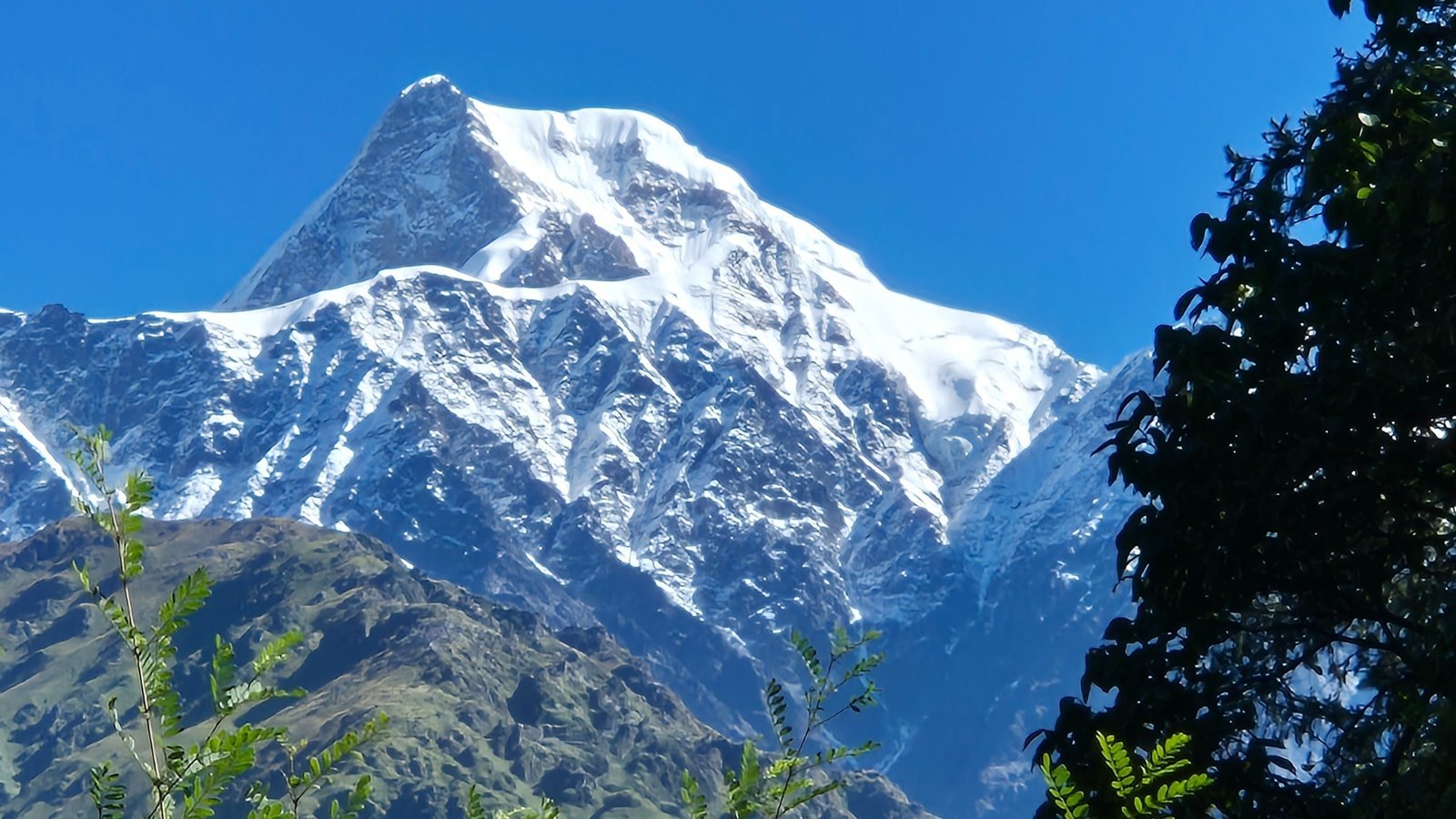
If you’re ready to move from basic climbing into the realm of true high-altitude mountaineering, Mt. Kun offers an ideal entry point into this thrilling world. Rising as the second-highest peak in Ladakh’s Zanskar Valley, Mt. Kun towers at 7,077 meters—radiating a powerful presence that’s impossible to ignore. From the very first glance, its energy is palpable. Its imposing form, unpredictable slopes, sudden storms, and its uncanny ability to alternately welcome and challenge you all reveal the mountain’s quiet dominance.
This striking peak belongs to the Nun–Kun massif and stands proudly beside its slightly taller sibling, Mt. Nun, which reaches 7,135 meters and is the highest summit in the Zanskar region. Mt. Kun rests to the north of Mt. Nun, with a 4 km snow plateau stretching between them. A third major peak in the group, Pinnacle Peak (6,930 m), lies to the northeast of Mt. Nun. The entire massif rises from the Suru Valley in Kargil district, roughly 250 km east of Srinagar.
| Region | Ladakh |
|---|---|
| Starts from | Leh |
| Highest point | 7,077 m |
| Duration | 23 Days |
| Difficulty | Difficult |
| Best season | July to September |
| Price | ₹ 2,09,999 + 5% GST |
Route details last reviewed 23 September 2026. Terrain, weather and permits can change the plan on the mountain.
DAY BY DAY
Tap a day to see the route, distances and camps. The schedule can change with acclimatisation, weather and team safety.
The expedition begins in Leh, the gateway to Ladakh and a major center for high-altitude climbing. Participants arrive in Leh and check into their accommodation. Since this is a big jump in altitude from sea level, the day is kept relaxed to help the body begin adapting to the thin mountain air.
This day is dedicated to acclimatization. You can explore Leh market, nearby attractions, and experience the local culture. Light walking is encouraged to help your body adjust. Use this time to recheck your gear and purchase any missing equipment—Leh has excellent trekking and mountaineering stores.
In the evening, the group meets for a briefing session where the expedition plan, safety measures, mountain ethics, and do’s & don’ts are discussed.
After breakfast, we drive towards Kargil, officially marking the start of the expedition. You will meet the Sherpas and support team along the way. The scenic drive through Ladakh’s barren yet beautiful landscapes makes the long journey enjoyable.
We drive along the Suru River, where you get your first views of the majestic Nun and Kun peaks. The drive from Kargil to Shafat Nala takes around 4–5 hours. Overnight stay at Shafat Nala.
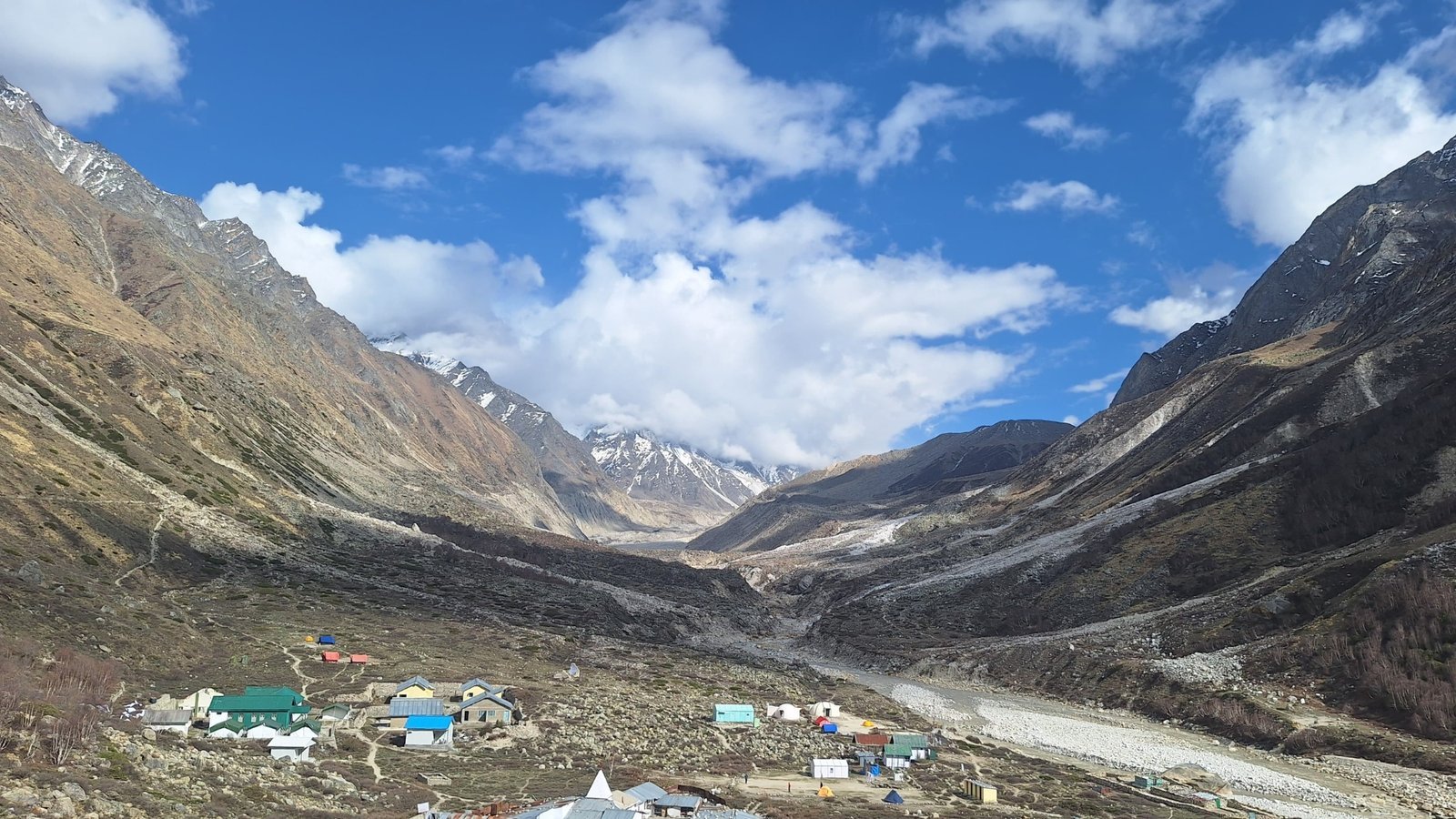
The trek officially begins today. After crossing a river via a sturdy bridge, we pass through the last inhabited village before entering remote mountain terrain. The trail moves through green fields, small settlements, and shepherd paths before gradually changing into rocky and glacial landscapes.
As altitude increases, meadows disappear and scree, moraine, and rocky terrain take over. Kun Base Camp is reached by evening.
The day starts with a traditional puja ceremony, seeking blessings for a safe and successful climb. Prayer flags, stone altars, and rituals help create a spiritual connection with the mountain.
The rest of the day is spent resting, acclimatizing, organizing equipment, and practicing basic mountaineering and ice techniques on nearby slopes.
High-altitude weather is unpredictable, so daily plans may change. This phase includes acclimatization rotations, load ferrying, rest days, and summit attempts.
Mount Kun has three high camps:
Details for this day are confirmed in your trip plan.
Details for this day are confirmed in your trip plan.
To adapt safely, the team follows the principle of “climb high, sleep low.” Load ferrying and multiple rotations between camps help improve acclimatization, reduce load stress, and refine climbing skills.
The route between Camp 1 and Camp 2 is the most technical, requiring fixed ropes and ascenders. The summit push also involves steep ice sections and technical climbing.
Two summit attempts may be made if weather conditions require flexibility.
After packing up Base Camp, we trek down to Shafat Nala in about 4 hours. From there, we drive back to Kargil, reaching by early evening.
After breakfast, we drive back to Leh. The evening is reserved for celebration and reflecting on the expedition.
The expedition officially ends today, marked by a summit celebration. Participants may depart or stay back to explore Ladakh further.
Reserved for weather delays, summit attempts, or sightseeing if the schedule allows.
An additional reserve day for weather-related contingencies or leisure time in Leh.
UNDERSTAND THE PRICE
The published price is ₹ 2,09,999 + 5% GST. Here is what it covers and what it does not, so nothing surprises you later. Your written quote confirms the final amount for your dates and nationality.
GETTING THERE
The expedition starts in Leh. Day 1 of the itinerary: Arrival in Leh (3,500 m).
Your exact meeting point and time are confirmed in your trip briefing.
PACKING LIST
Technical gear listed under “Included” is provided by Kailasa; bring your own only if you prefer it.
WHO CLIMBS WITH YOU
Every Mt. Kun Peak team is led by certified Kailasa guides. You meet your assigned expedition leader at the technical briefing three weeks before departure.
Founder & Lead Expedition Leader
NIM Advanced Mountaineering (Grade A) · Wilderness First Responder · guiding since 2013
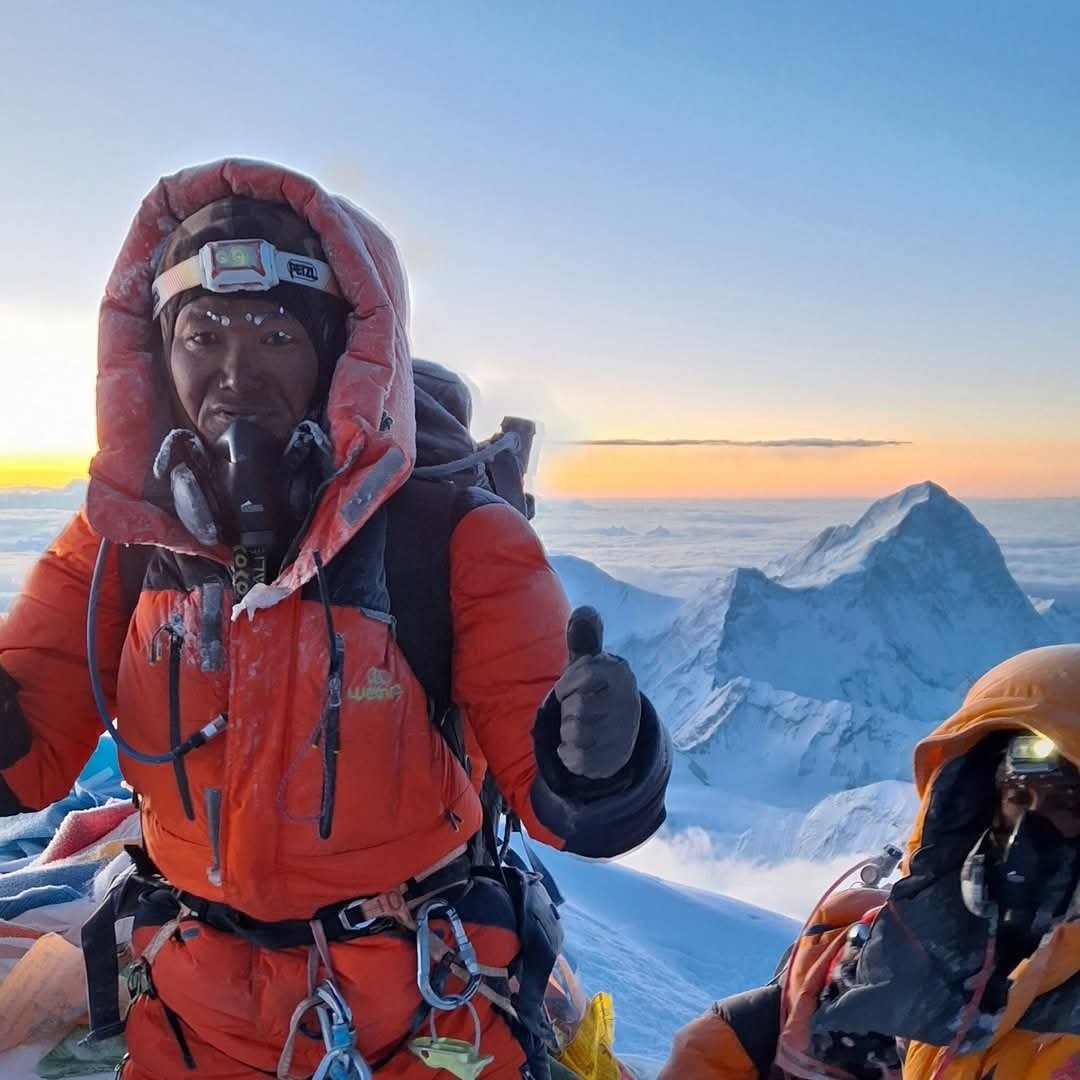
Sardar & fixed-rope team leader
22+ years on Himalayan expeditions · 16 Everest summits · Lhotse, Makalu, Dhaulagiri
CANCELLATION
What you get back depends on how long before the start date you cancel. You can take a refund or a credit for a future Kailasa trip, valid for one year.
| Before start | Refund | Future credit (same participant) | Future credit (another participant) |
|---|---|---|---|
| More than 60 days | 85% | 100% | Not stated |
| 60 to 30 days | 70% | 85% | 75% |
| 30 to 10 days | 40% | 70% | 65% |
| Less than 10 days | No refund | 50% | 40% |
BEFORE YOU ENQUIRE
Mt. Kun is situated in the Suru Valley of the Kargil district in Ladakh, India. It forms part of the famous Nun–Kun massif.
Mt. Kun stands at 7,077 meters (23,218 ft), making it the second-highest peak in the Zanskar range.
Mt. Kun is considered a highly technical and challenging climb. It is suitable only for experienced mountaineers with prior high-altitude and technical climbing experience.
The best time to climb Mt. Kun is during the summer months, from July to September. During this period, the weather in the Zanskar region of Ladakh is relatively stable, with longer daylight hours and reduced chances of heavy snowfall or extreme storms. Snow conditions are generally more predictable, making glacier and ice travel safer for climbers.
Climbing outside this window, such as in late spring or early winter, can be risky due to unstable snow, avalanches, and extremely low temperatures, which increase the technical difficulty and danger.
Planning the expedition in July–September also allows for proper acclimatization, as temperatures at base camp and higher camps are slightly more moderate, making the ascent safer and more manageable.
Participants should have:
Experience above 5,800–6,000 m
Knowledge of using ice axes, crampons, ropes, jumars, and harnesses
Previous high-altitude trekking or peak climbing experience
Strong physical fitness and mental endurance
Safety is managed through:
Qualified expedition leaders and Sherpas
First-aid kits and oxygen cylinders
Fixed rope systems where needed.
Proper acclimatization and weather monitoring. for more info Kailasa Treks
YOUR EXPEDITION STARTS HERE
Share your preferred dates, nationality and climbing history. Kailasa can assess route fit, then confirm the current itinerary, field support, permits, equipment and final amount in writing.
Reply within 24 hours · No payment to enquire · Written quote before you pay. Review the cancellation, privacy and booking terms before paying.
KEEP EXPLORING
THE KAILASA STANDARD
No blind checkout. No one-size-fits-all promise. Your enquiry begins with the route, your experience and the questions that matter before you commit.
Start a private planning conversationYour climbing history and readiness are discussed before the team recommends a route.
Acclimatisation, conditions and field decisions take priority over a fixed summit promise.
Ask for the current itinerary, inclusions, equipment plan and written final quote.
Confirm your expedition leader, support team and departure-specific safety arrangements.